992 Collection
991 Collection
718 Collection
Wheels
Accessories


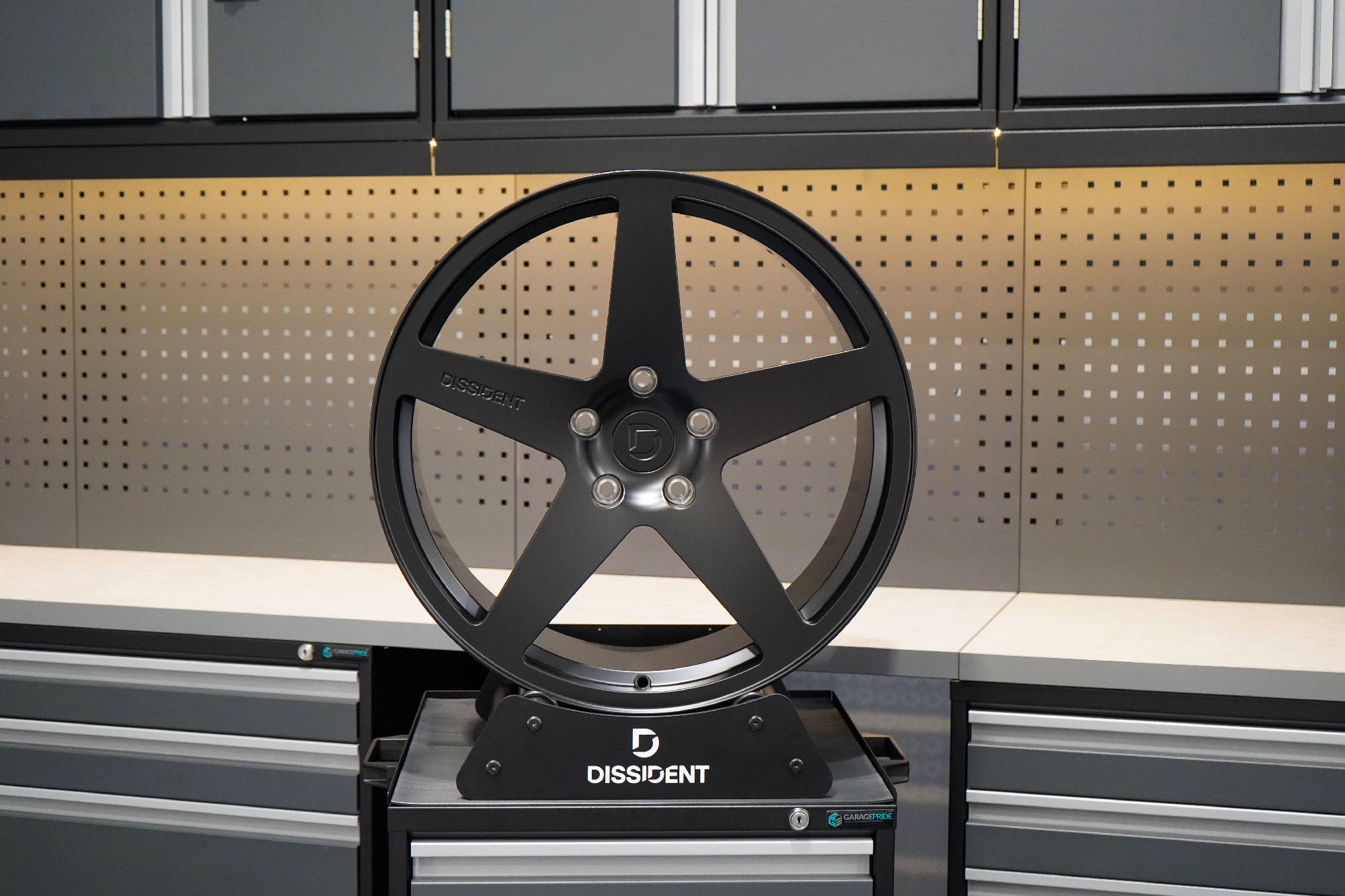
Forged and centre-lock are not alternatives. Forged is how a wheel is made. Centre-lock is how it attaches to the car. Every DD1 and DD2 we make is forged, and both come in five-bolt and centre-lock, so the question is not which one is better. It is which one your car can take.
The comparison gets made anyway, constantly, because both words appear on premium wheels and both sound like performance. They answer completely different questions.
So this piece splits them. What forging does and why it costs what it does. What a centre-lock hub gives you on a road car, including the parts nobody mentions. And how to pick between DD1 and DD2 once the attachment question is settled by the car.
Both, or neither, depending on what you are asking. Choose forged over cast every time if the budget allows, because it is a straight upgrade in strength and weight. Do not choose centre-lock at all: your Porsche was built with one hub type or the other, and you buy the wheel that matches it.
On a 992, five-bolt is the standard Carrera arrangement. Centre-lock appears on GTS, Turbo and GT cars, sometimes as an option. Our centre-lock DD1 and DD2 sets are listed for the 992 GTS with centre-lock hubs, so check the product page against your car before ordering.
Look at the middle of your existing wheel. Five bolts around the hub, or one large nut. That is the whole decision made.
A forged wheel is machined from a solid billet of aluminium that has been compressed under enormous pressure. That pressure aligns the metal's grain to follow the shape of the wheel, which makes it far denser and stronger than the same alloy poured into a mould.
The practical result is less material doing the same job. One forged wheel manufacturer puts the saving at 30 to 35% less material through grain flow alone. The usual figures quoted are around three times the strength of cast at roughly 25% less weight.
Casting has a specific weakness that forging removes. Pouring molten aluminium and letting it solidify leaves porosity, small inconsistencies in the structure that become crack initiation points. Forging eliminates them because nothing is ever fully molten.
Our DD1 and DD2 wheels are forged from 6061-T6 aluminium and CNC machine finished. That is the same alloy specification the serious forged wheel makers use.
Three tiers, and the middle one is the most misunderstood.
Cast is the cheapest and the most common, including on a lot of factory wheels. Molten aluminium into a mould, cooled, machined. It allows complex designs at low cost and it is heavier and weaker than the alternatives.
Flow formed sits between the two. A cast blank is spun at speed while rollers heat and stretch the barrel, aligning the grain in that section only. Brands sell the same process under different names, and expect roughly 15 to 20% weight saving between each tier.
The word to watch is "flow forged". It is a marketing term rather than a manufacturing one. The centre of a flow formed wheel is still cast, and only the barrel gets the benefit.
None of which makes flow formed a bad buy. It is the value option and it is clearly better than cast. It is just not forged, and it should not be priced as though it is.
A centre-lock wheel is held on by a single large nut on the hub instead of five bolts around it. The system came from racing, where a one-nut change saves seconds in a pit stop. On a 992 it appears on GTS, Turbo and GT cars, sometimes as a factory option rather than standard.
The road-car case for it is mostly aesthetic and mostly about heritage. A clean hub face with one nut reads as motorsport, and it is the same visual language as the 959 and the Carrera GT.
What it is not, on a road car, is convenient. That is worth saying plainly because the marketing implies otherwise.
The nut is torqued to 600 Nm. That is around 443 lb-ft, and it changes what a wheel change involves.
You need a three-quarter inch drive torque wrench that reaches 600 Nm, which is not a tool most home garages own, and a breaker bar long enough to undo it. A two-post lift is recommended to provide a stable platform, and the advice from people who do this professionally is to leave centre-lock servicing to a specialist.
Worth knowing that the torque figure changed historically. Early cars carried a lower figure etched on the bolts, and Porsche raised the specification later. If anyone quotes you 400 Nm, check it against current documentation for your car rather than taking it.
The other practical consequence is seasonal wheel swaps. If you run winter tyres on a separate set, a five-bolt car is an afternoon at any competent garage. A centre-lock car is a booking with someone who has the tool.
None of that is a reason to avoid a centre-lock car. It is a reason not to wish for one on a car that came with five bolts.
Design, not engineering. Both are forged from 6061-T6, both come in five-bolt and centre-lock, and both use the same sizes: 8.5 x 20 at the front and 11.5 x 21 at the rear, taking the same tyre sizes as the original wheels.
The DD1 is a five-spoke. It is the more classical of the two, closer to the wheels that came off Porsche motorsport cars in the seventies and eighties, and the spokes are wide enough to read as solid from a distance.
The DD2 is a ten-spoke. Busier at the hub, finer in the spokes, and it shows more of the brake through the face. On a car with coloured calipers that is the one that displays them.
Both come in thirteen standard finishes from satin black through gloss neodyme gold to satin bronze, with bespoke finishes available on request. The centre-lock DD1 and its DD2 equivalent are the same wheels with the other hub arrangement.
One thing worth knowing before you decide, because it only works with these wheels.
The DD1 outer wheel shrouds mount exclusively to the DD1 wheels and turn the face into a smooth disc, which is a finish usually seen on hypercars. They are supplied as a car set or as a front axle set only. There are rear wheel disc shrouds too, so the rear axle can carry the disc look while the front keeps the spokes, or the other way round.
They are made in 2x2 twill carbon matched to the OEM weave, so they sit correctly against a carbon roof, carbon mirrors or any of the other external carbon on the car.
It is the one properly unusual option in the wheel range, and it is the reason to choose DD1 over DD2 if you want that route open.
Everything is delivered ready to fit, and we recommend a professional fitment at your local independent specialist for any wheel, five-bolt or centre-lock. Parts in stock go out quickly, and parts built to order are dispatched within 14 to 35 days.
Three things to take away. Forged versus centre-lock is not a choice, because one is a process and the other is a hub. Your car decides the hub, so check the middle of your wheel before you shop. And if the smooth disc look appeals, that decision has to be made at wheel-buying time.
Start with the DD1 five-bolt wheels.
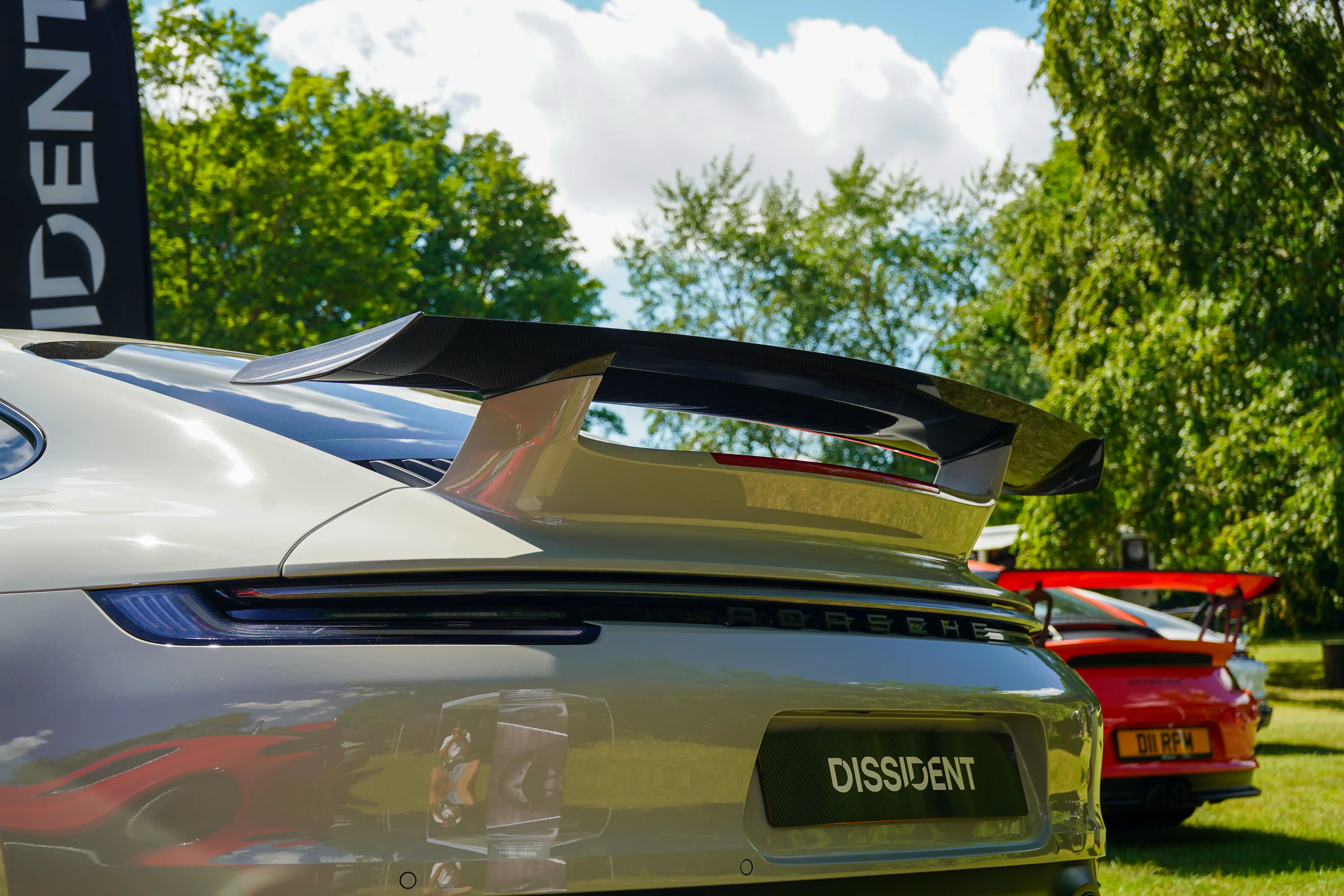
A GT wing works the air above the car, a ducktail changes where it leaves. What each does, what fits, and which suits your Porsche.
Read article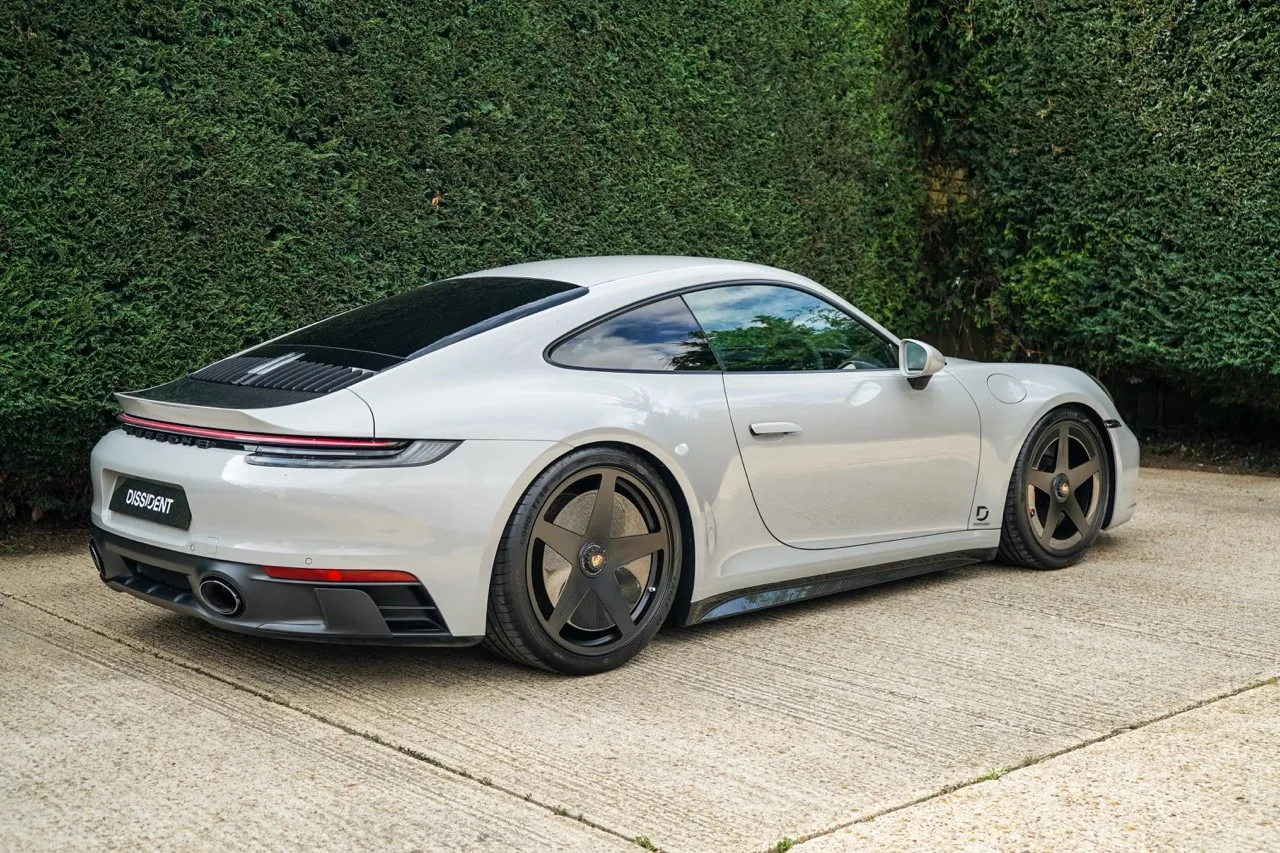
How to clean and protect carbon fibre car parts, what sunlight does to the lacquer, and how to rescue cloudy or yellowed carbon.
Read article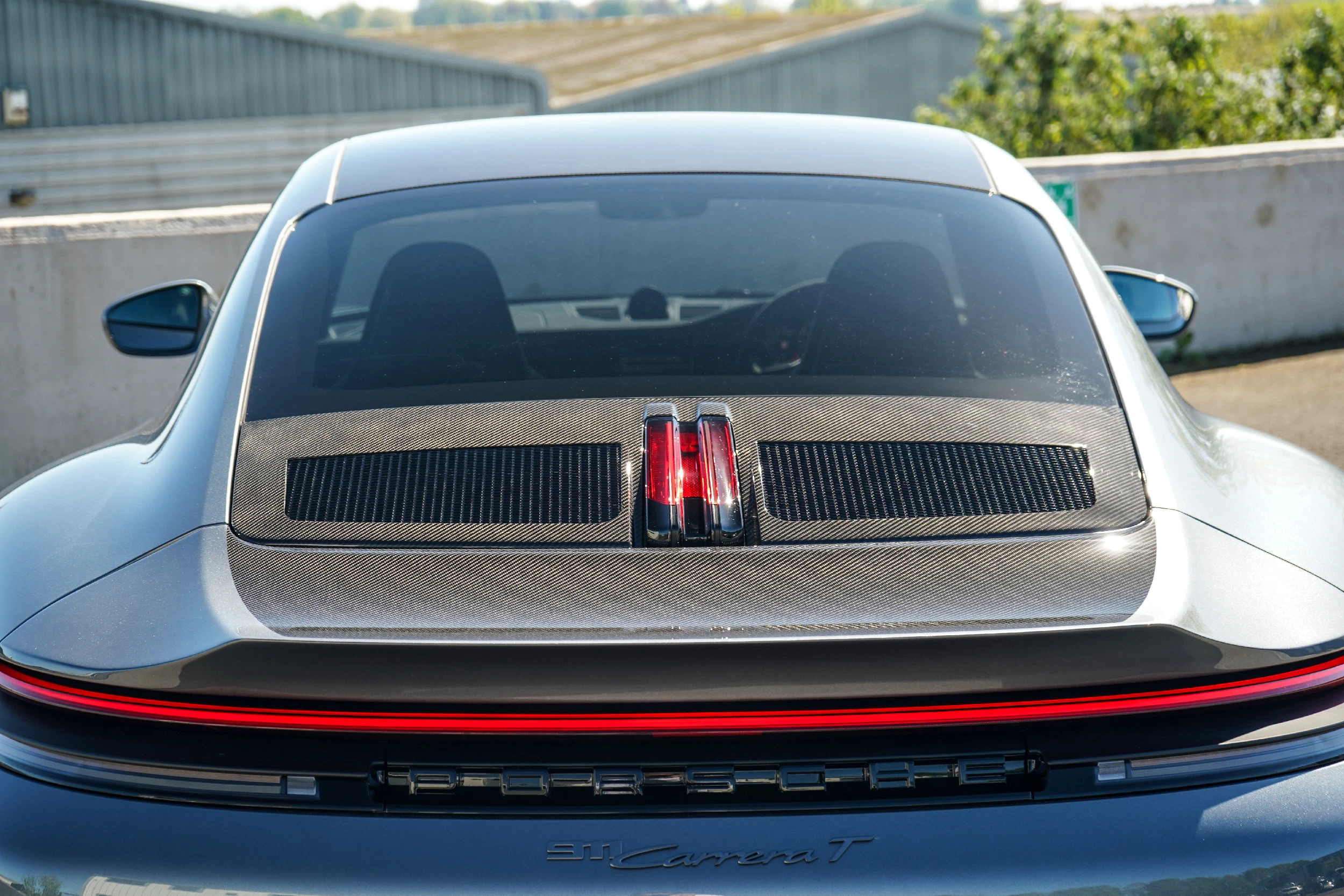
The engine cover and fuse panels are where most 911 owners start. What each changes, which option to order, and why there is no bonnet.
Read articleThey are not alternatives. Forged describes how the wheel is made, by machining it from a compressed billet of aluminium. Centre-lock describes how it attaches to the car, using one large nut instead of five bolts. A wheel can be both, and every DD1 and DD2 is forged in either hub arrangement.
Look at the middle of your existing wheel. Five bolts around the hub means five-bolt, and one large central nut means centre-lock. On a 992, five-bolt is the standard Carrera arrangement, while centre-lock appears on GTS, Turbo and GT cars, sometimes as an option rather than standard. The centre-lock DD1 and DD2 sets are listed for the 992 GTS with centre-lock hubs.
Forging compresses a solid billet of aluminium so the metal grain follows the shape of the wheel, which makes it far denser than the same alloy poured into a mould. Less material is needed for the same strength, and the porosity that creates crack initiation points in cast wheels is removed. The usual figures quoted are around three times the strength of cast at roughly 25% less weight.
Flow forming starts with a cast blank and uses heat and rollers to stretch the barrel while it spins, which aligns the grain in that section only. The centre of the wheel is still cast. It sits between cast and forged on strength and weight, and the term flow forged is marketing language rather than a description of forging.
The nut is torqued to 600 Nm, around 443 lb-ft, so a wheel change needs a three-quarter inch drive torque wrench that reaches it and a breaker bar long enough to undo it. A two-post lift is recommended for a stable platform, and the usual advice is to leave centre-lock servicing to a specialist. Seasonal wheel swaps take more planning than on a five-bolt car.